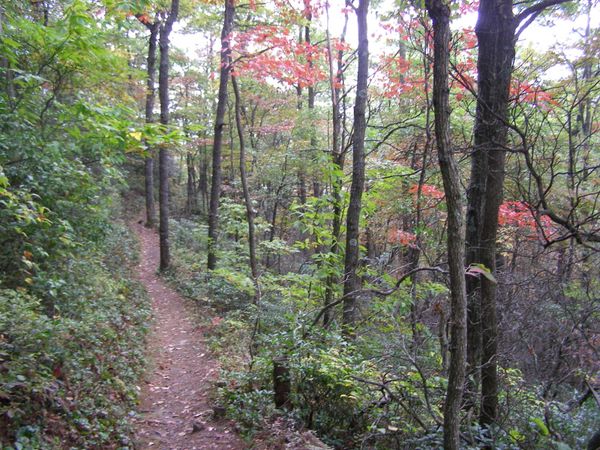
Blog No 43 The Appalachian Trail in the Fall Part II
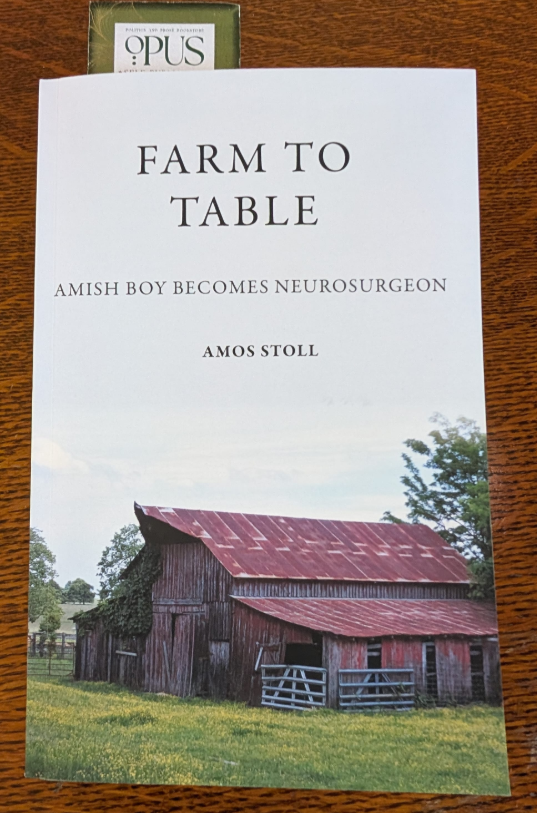
Note: my memoir is for sale at the link above
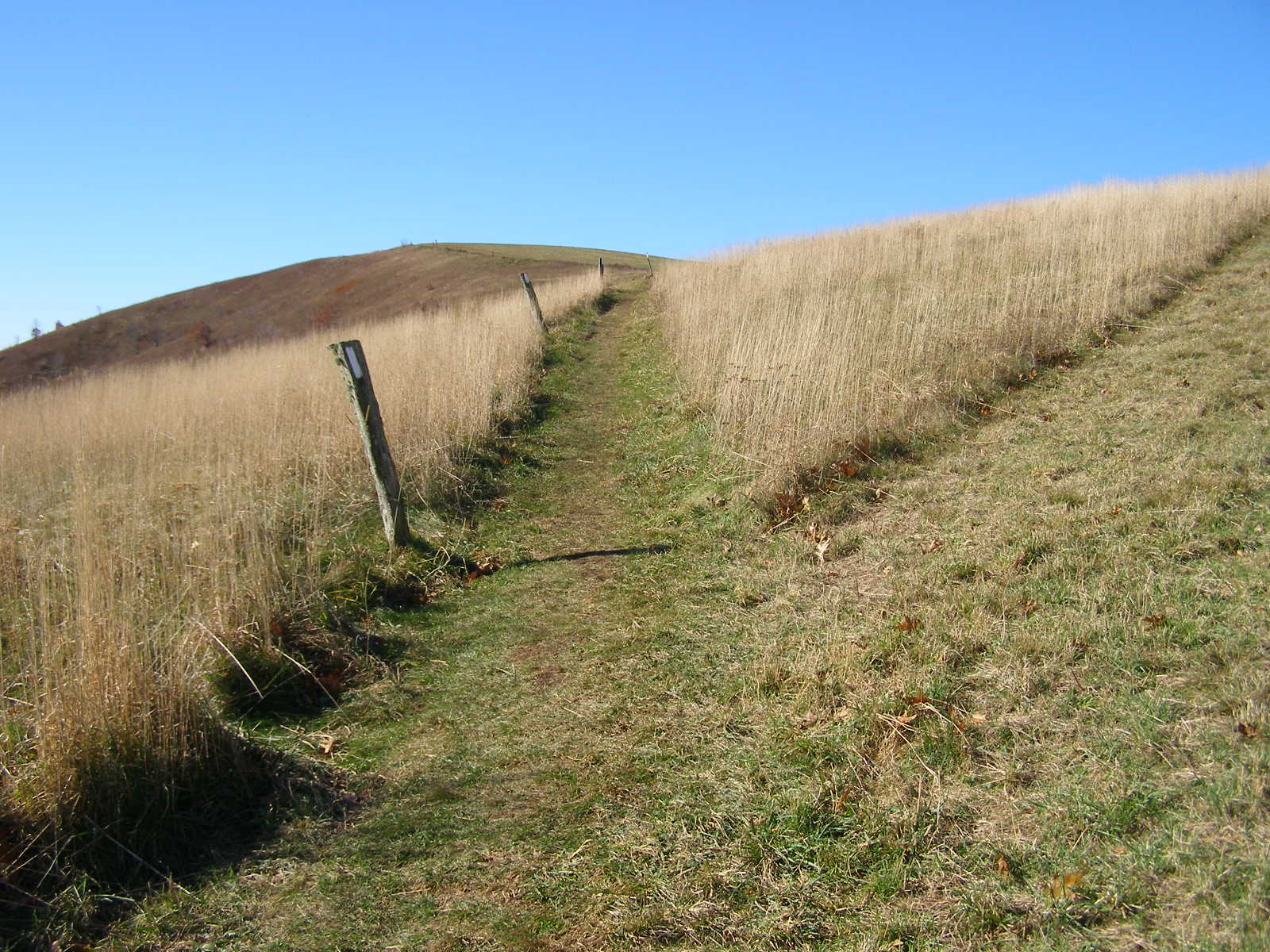
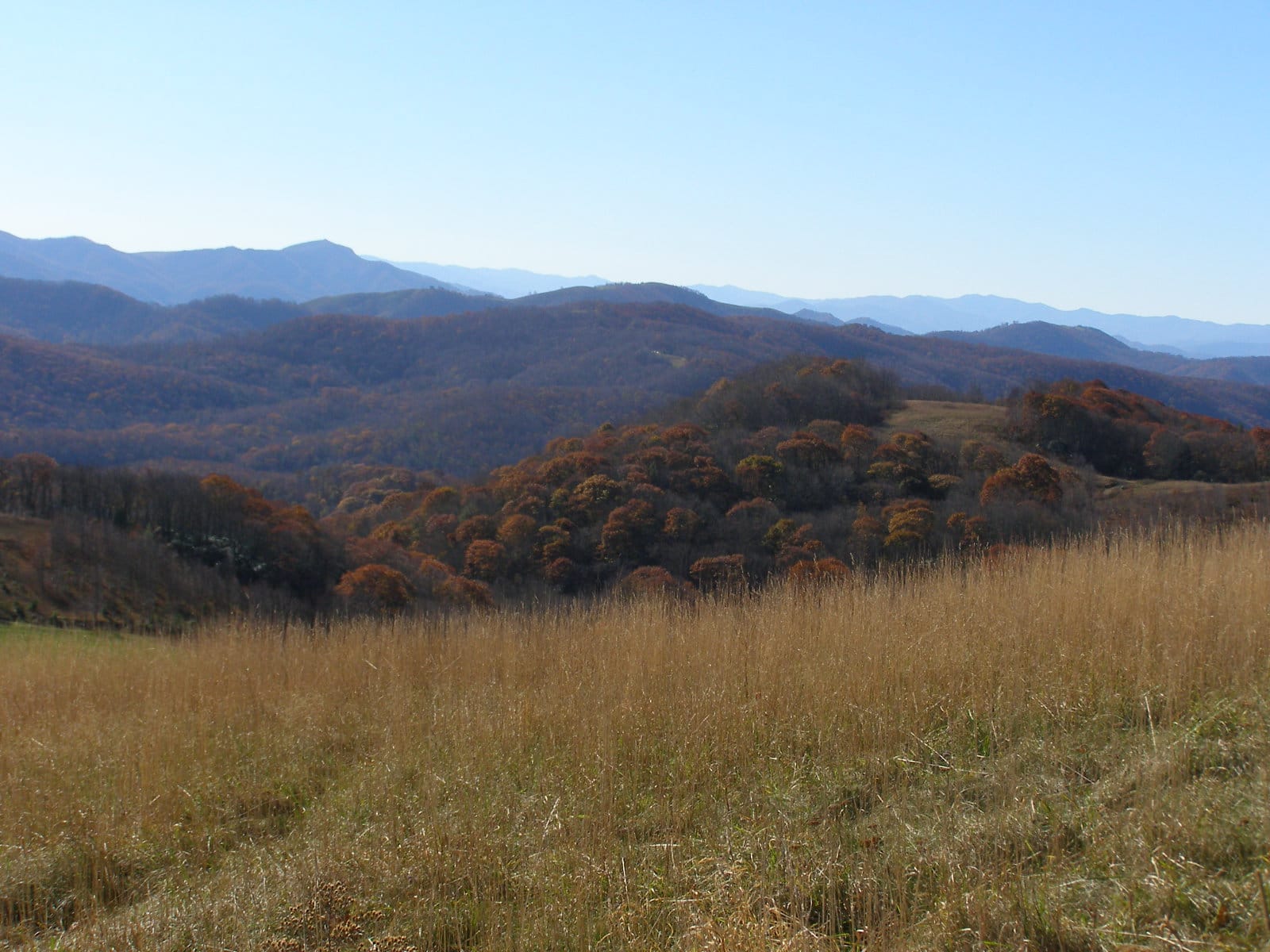
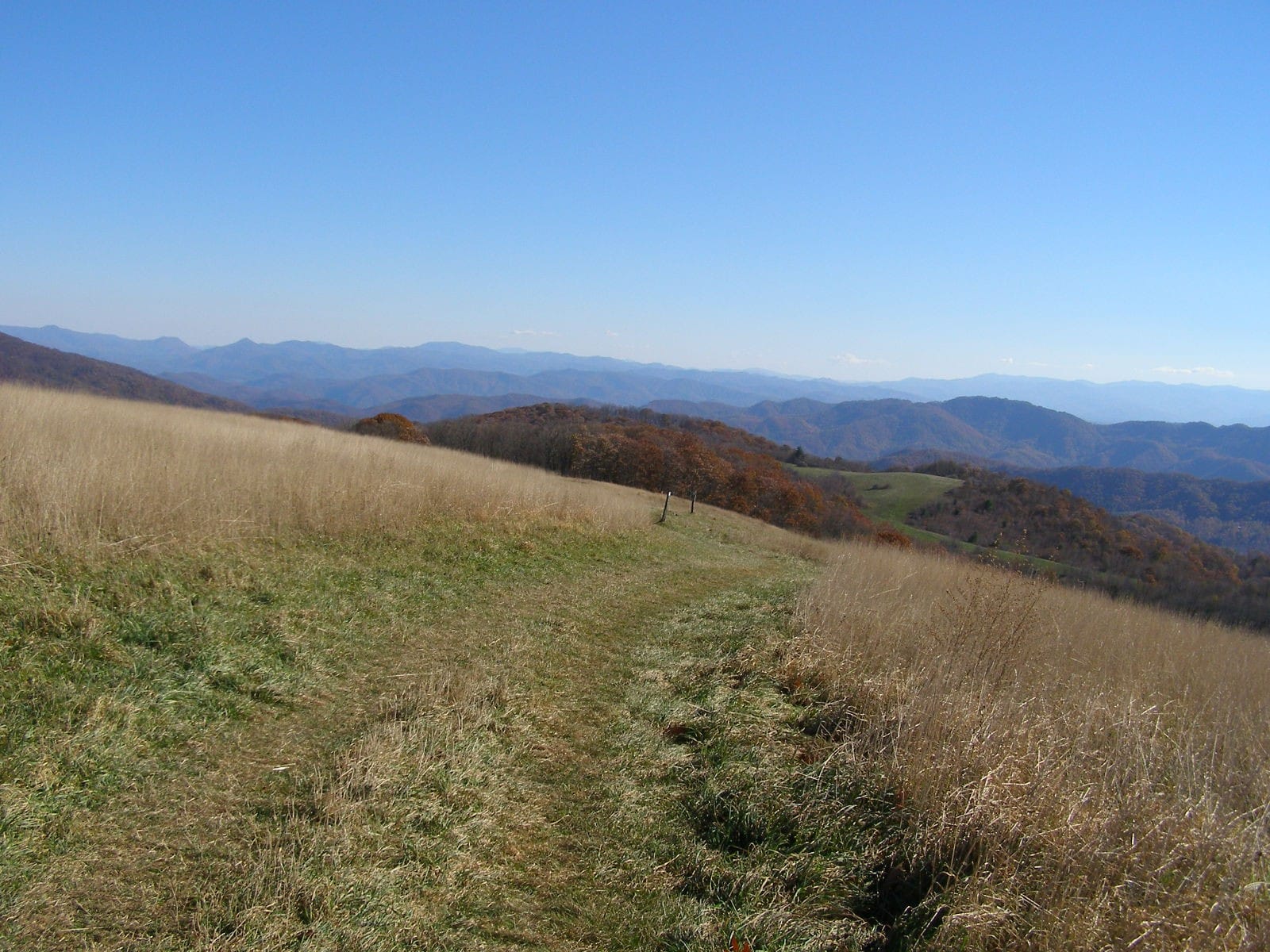
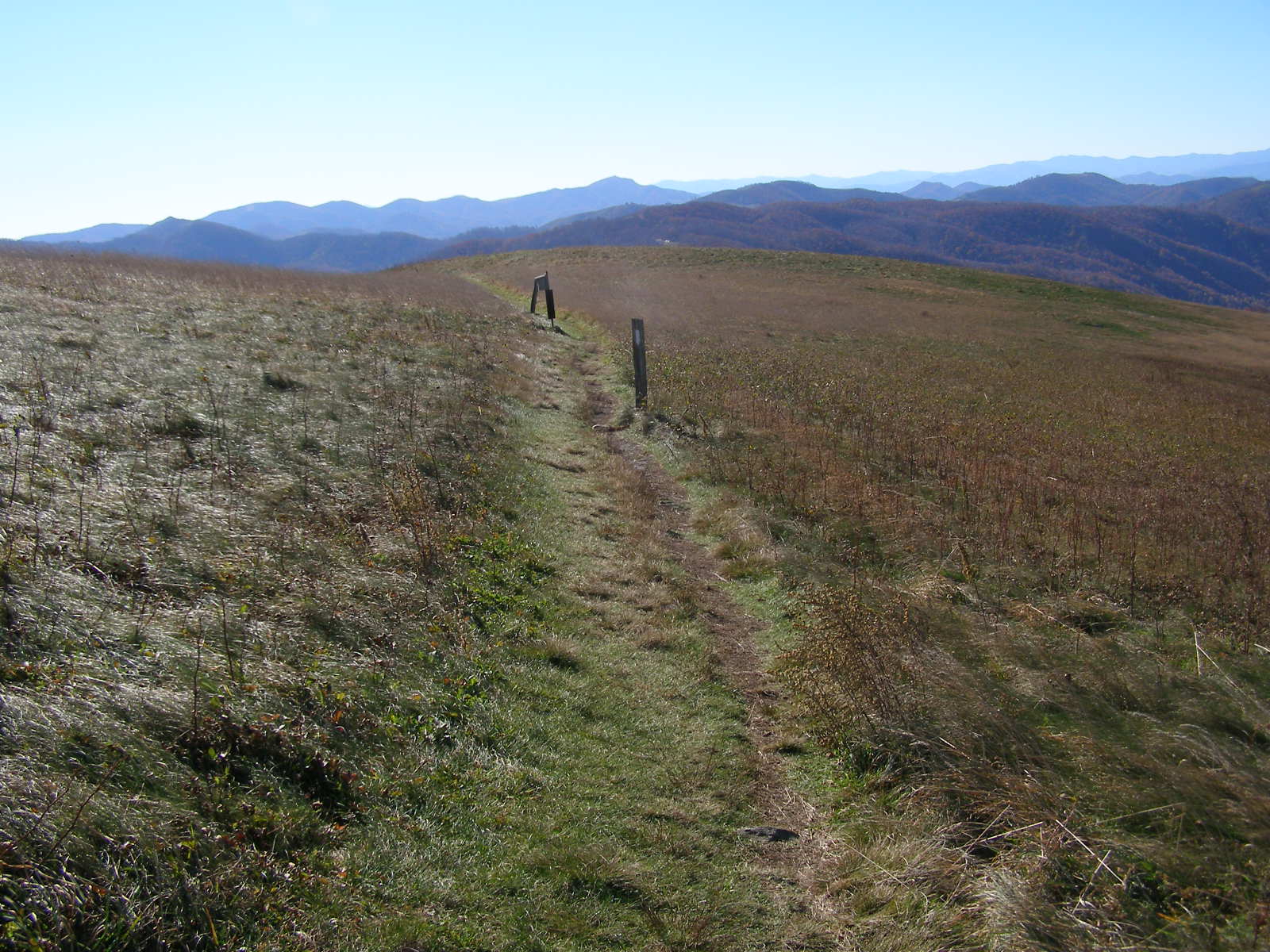
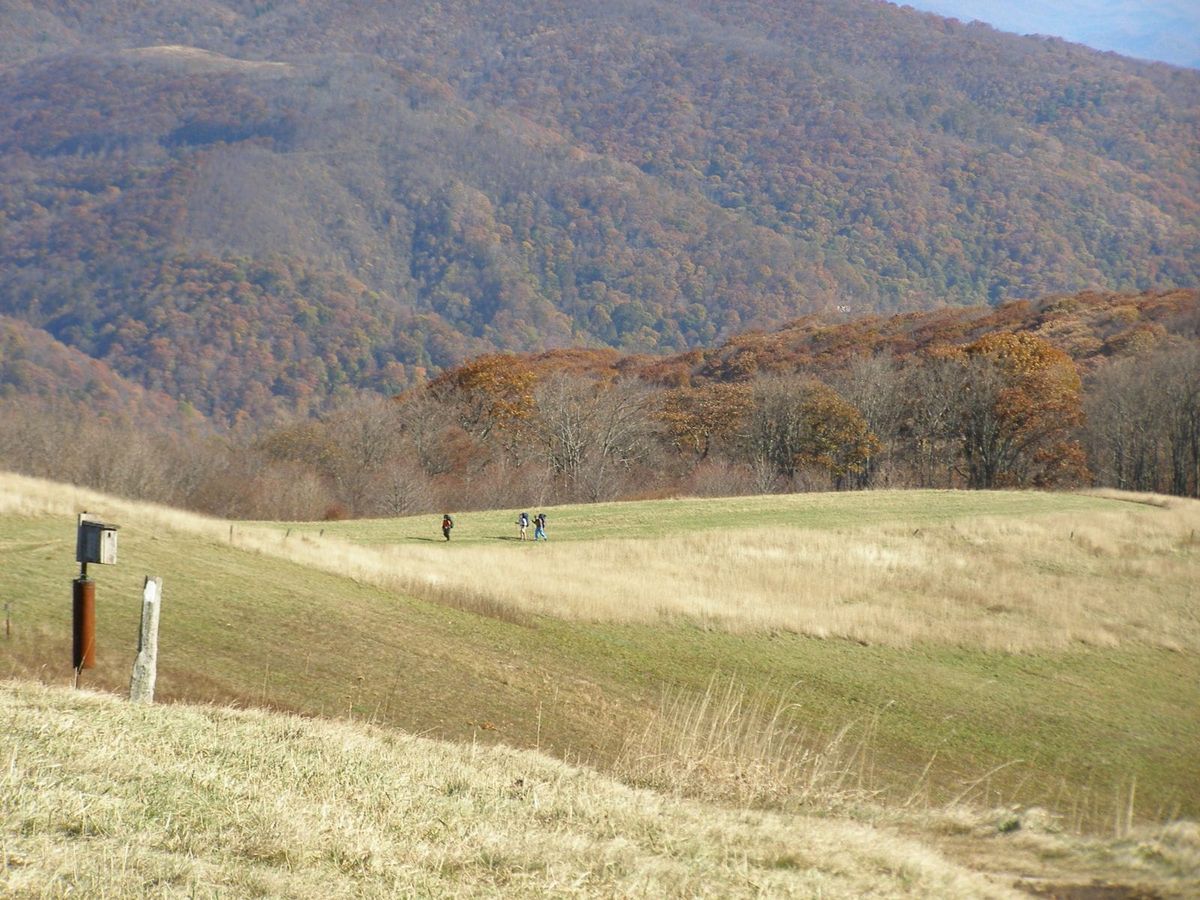
Portions of the southern Appalachian Mountain chain consist of Precambrian crystalline, gneiss, and other ancient rocks that are 1.2 billion years old, whereas the Rocky and Sierra Nevada Mountains ranges, in comparison, are less than a million years old. The Roan Mountain range of North Carolina was one of my favorite parts of the AT with its Canadian-style spruce and fir forests found at the higher elevations along with mysterious grassy fields devoid of trees that are called the Appalachian balds. Grassy balds are covered with native grasses, wild flowers and berry bushes. Heath balds are covered with dense thickets of evergreen shrubs, rhododendron and mountain laurel.
No one knows what caused these high ridges not to be covered with trees, although sadly, these areas are becoming smaller in recent years by a steady encroachment of trees and shrubs. The Climate-Herbivore Hypothesis holds that during the last Glacial Maximus (25,000 to 19,000 years ago) all vegetation at these higher elevations was extinguished by thick sheets of ice that covered them for long periods of time. After the Ice Age, megafauna such the wooly mammoth, mastodon, ancient bison and large horses grazed on these areas, keeping them devoid of trees. Early European settlers may also have contributed to keeping these regions bare of trees.
While hiking the southern Appalachian Train, we always enjoyed walking through these open, grassy regions, with wonderful vistas, and fall colors.
All photos by author