Blog No 41 Two Giants of the Tropical Forest
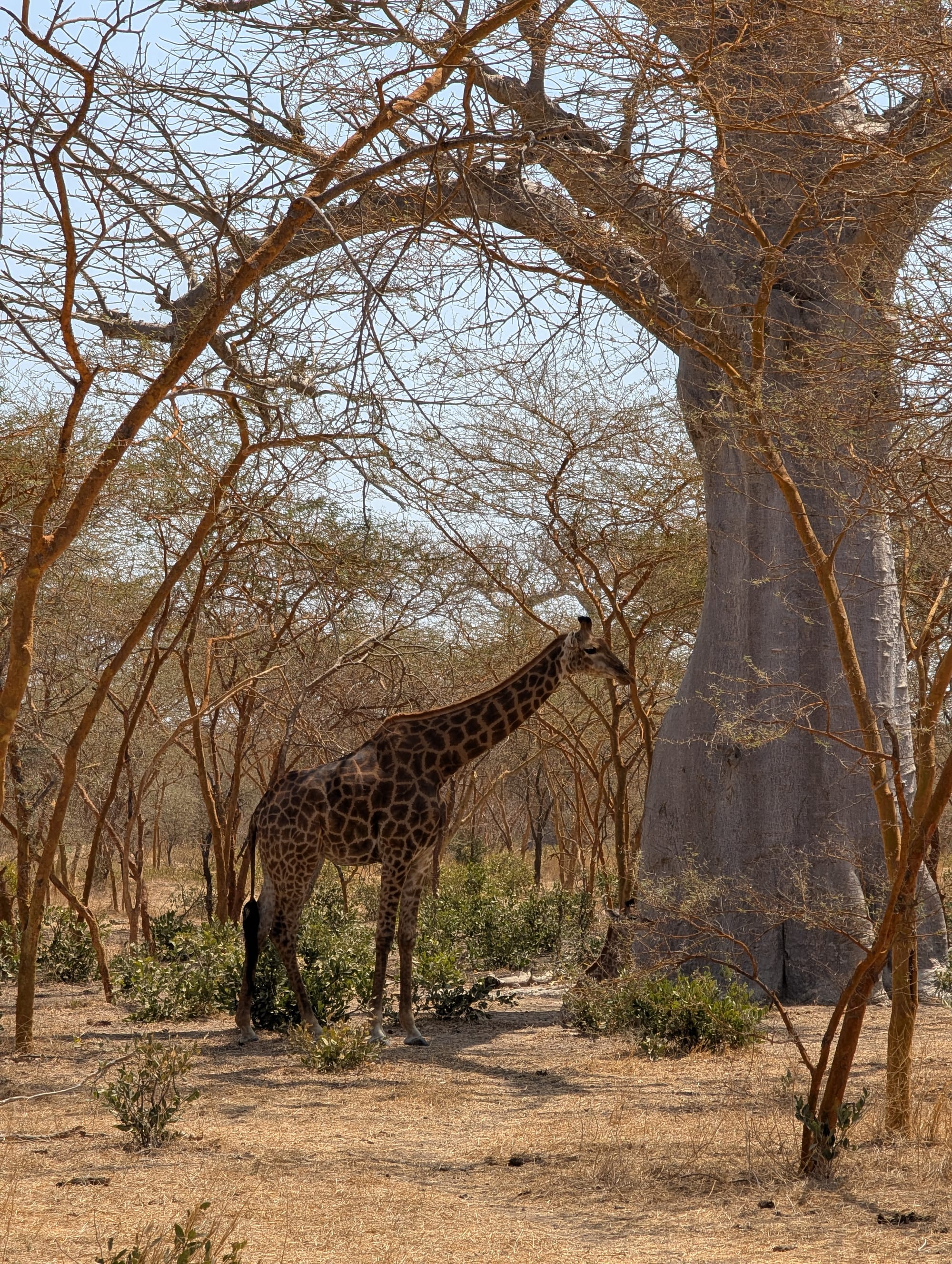
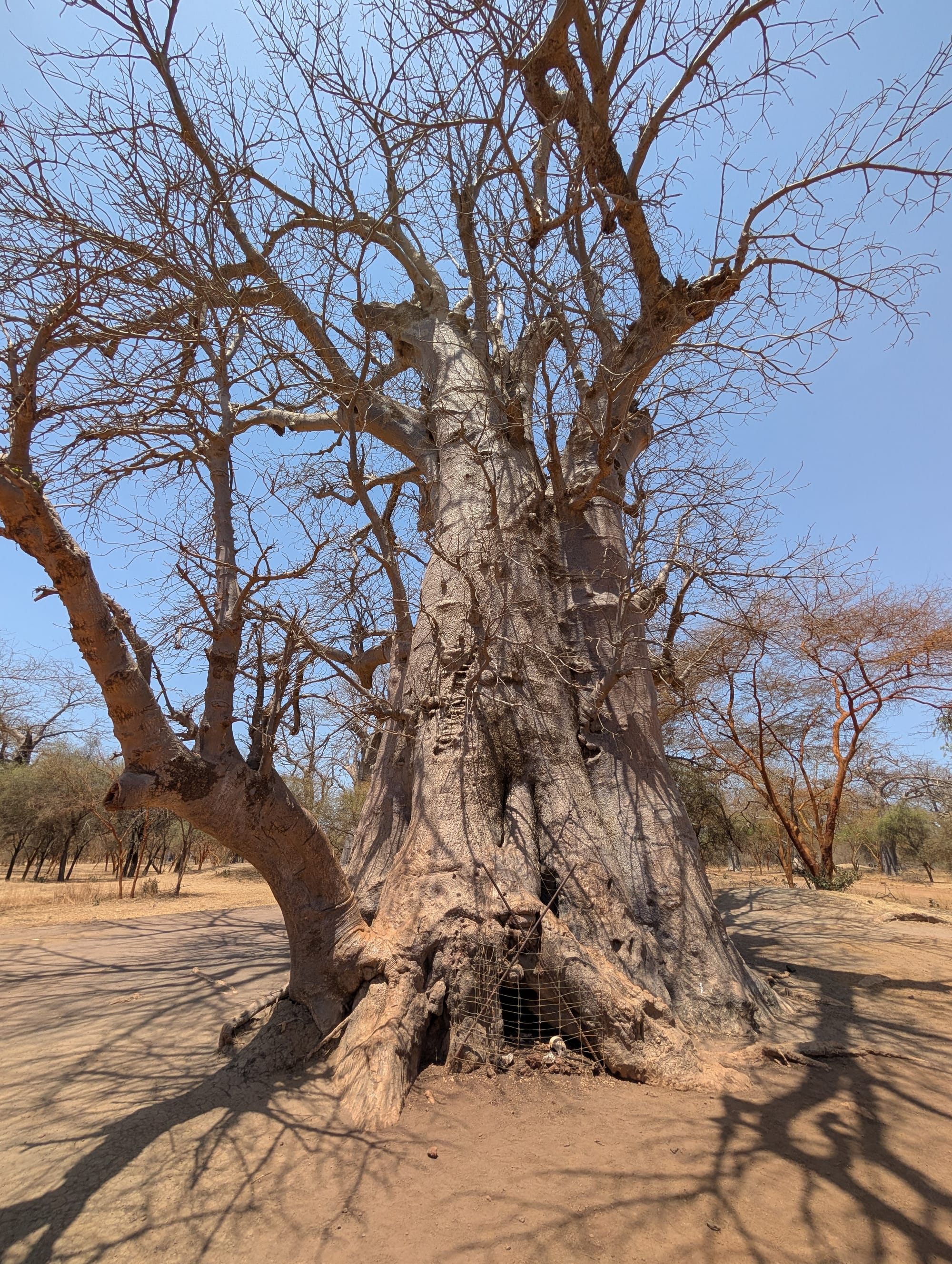
I was intrigued by the giant baobab trees in Senegal earlier this year when Michele and I toured a game preserve an hour or so outside of Dakar. Our guide told us how oral historians of indigenous people were venerated and buried inside the massive trunks of baobab trees. After our tour, I discovered a tropical fruit juice made from the fruit of these trees at our hotel that I enjoyed.
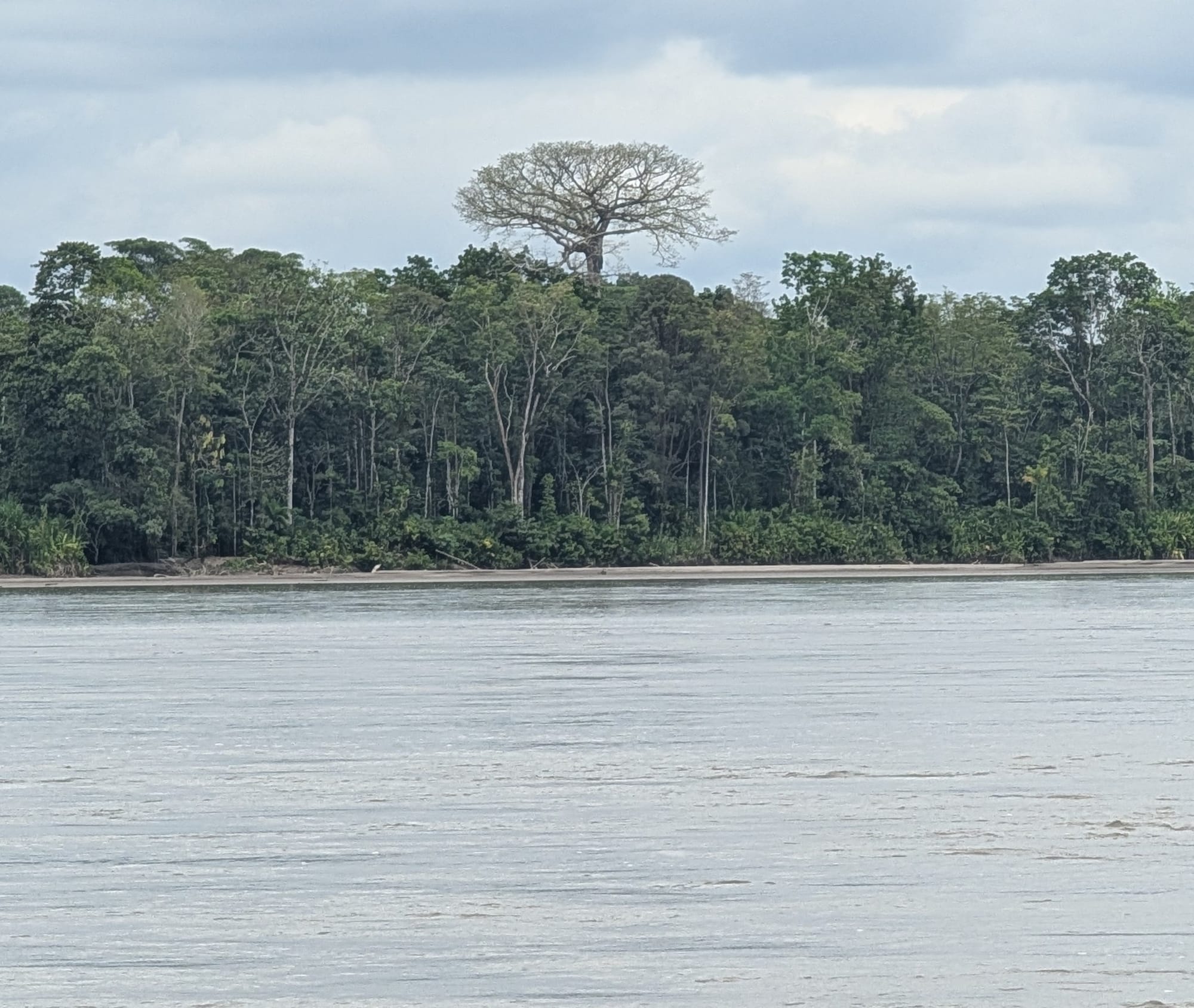
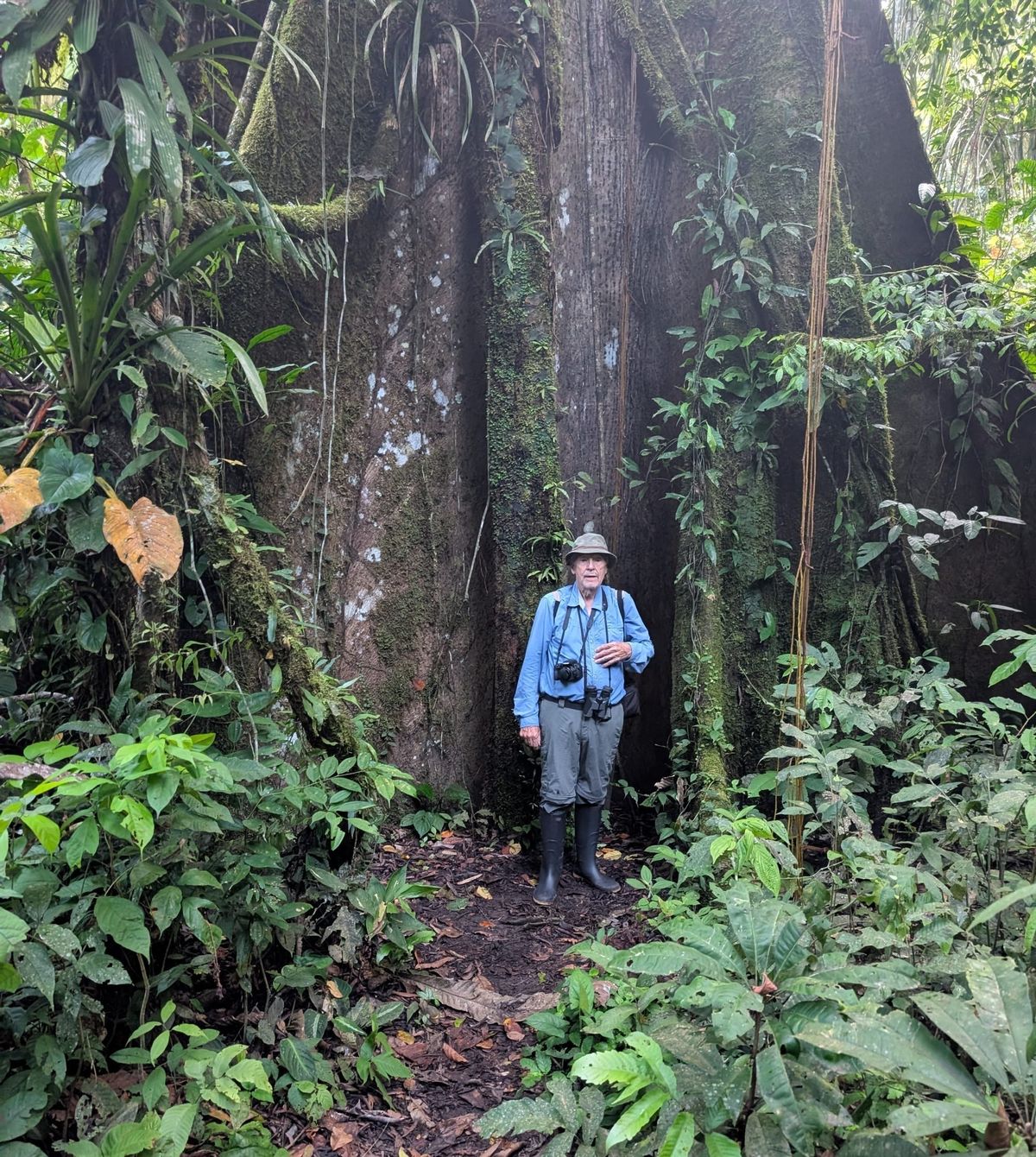
A few weeks ago, when I stayed with my brother, Alvin, at the Sacha Lodge in the rainforest of Ecuador (see my Facebook post) it occurred to me that the giant kapok trees that towered over Amazon jungle resembled the baobab tree we had seen in Africa, and indeed, the two are closely related. Both trees are deciduous, loosing their leaves during periods of droughts and stress and survive by utilizing water stored in their trunks. The kapok tree is the taller tree and can grow up to 200 feet in height whereas the baobab tree has the larger trunk and a single bulbous trunk is said to hold 32,000 gallons of water. Both trees have colorful flowers that open at night and are pollinated by bats.
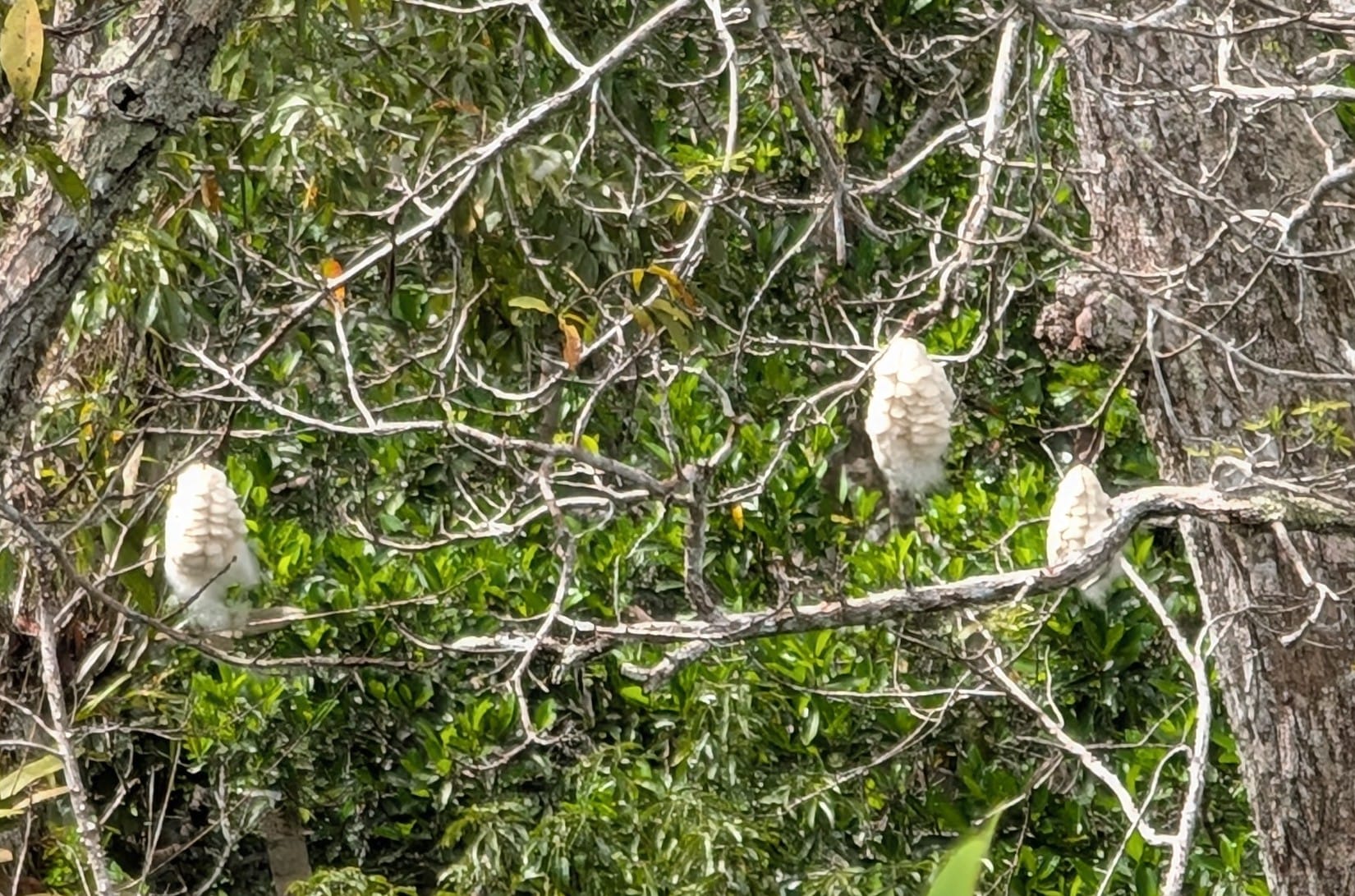
The exceptionally strong fibers obtained from the bark of the baobab tree are used to make rope, baskets and fishing nets―even clothing and hats. This is in contrast to the silky-white fibers obtained from the kapok fruit that have no tensile strength but are waterproof, used for life jackets, sleeping bags and pillows. Luxurious pillows are now being marketed as “Nature’s luxurious sleep solution.”
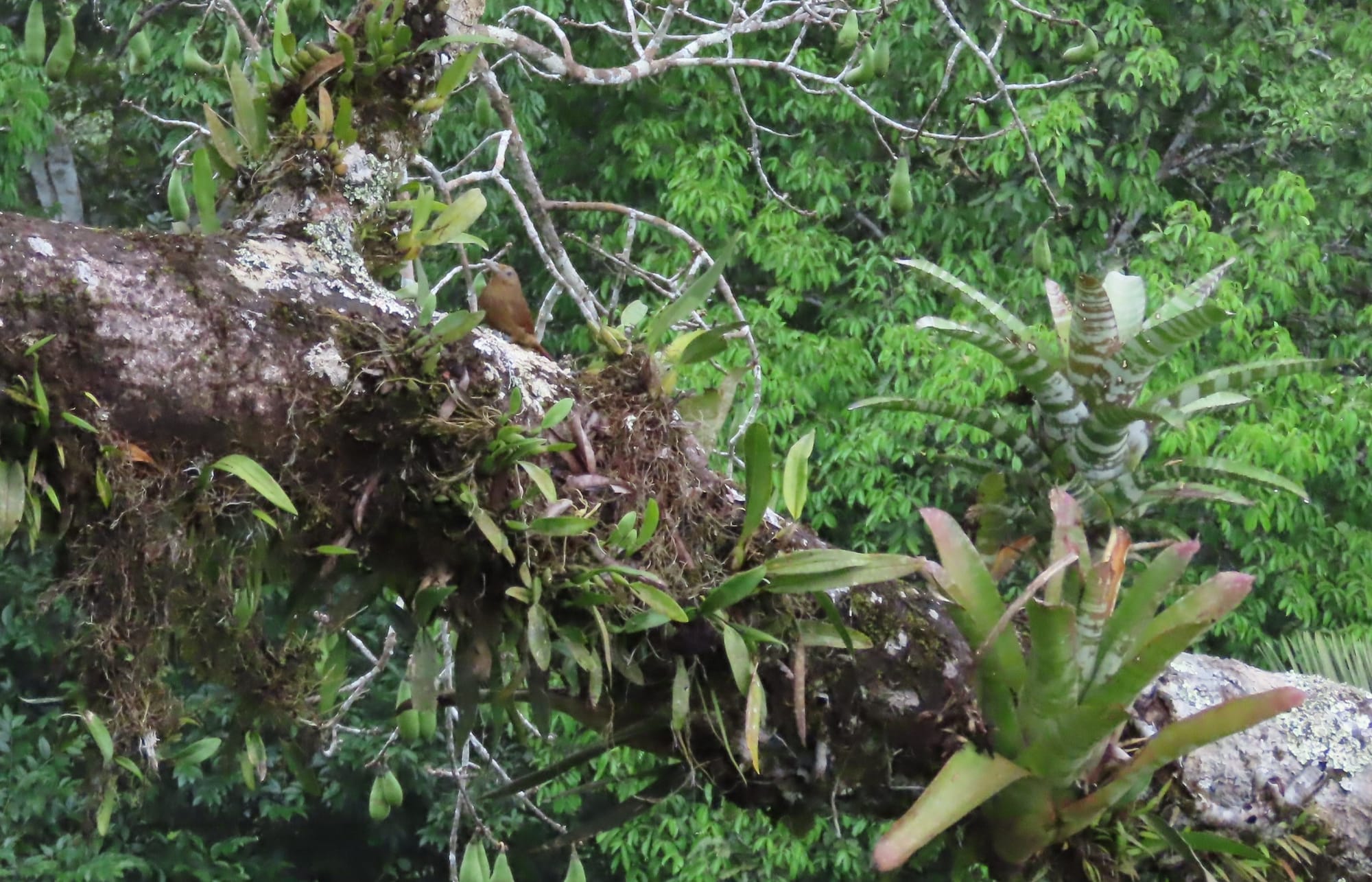
Over the years I remember reading about how the nests of the fierce Harpy Eagle (raptors have always been my favorite group of birds) were found in giant silk-cotton trees in the rainforests of Central and South America. While at Sacha Lodge, we spent hours birding with our guide on a platform high in a kapok tree 140 feet above the rainforest floor. On the massive horizontal branches were epiphytes, mosses, bromeliads, orchids and ferns, and many species of birds came to feed throughout the morning. I noticed bundles of white fibers associated with the seed pods of this tree and it dawned on me this was the famed silk-cotton tree of the Harpy Eagle. It is my hope that these two giants of the forest will continue to enrich the lives of us for eons to come.
All photos by author