Blog No 7 Diet and Health
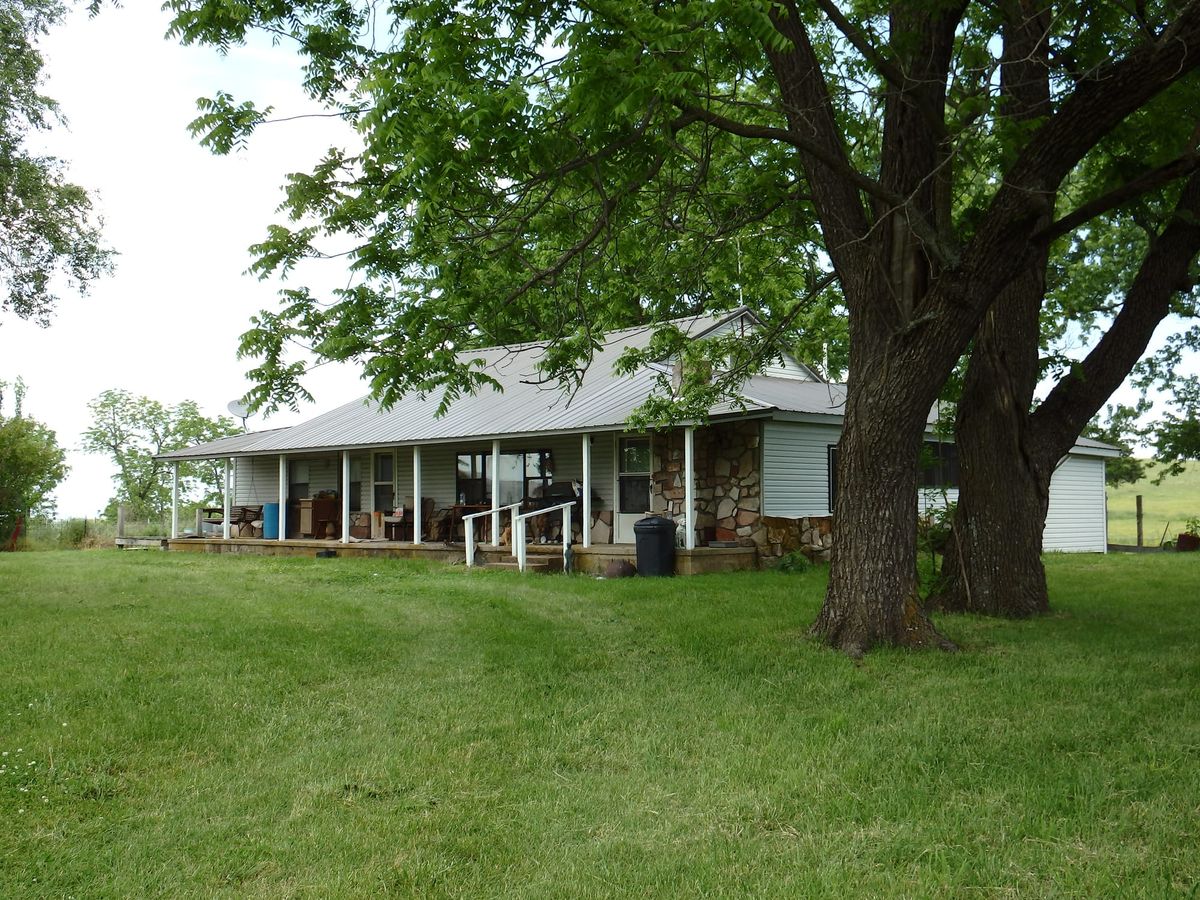
The diet in my Amish household in the Ozarks had many of the attributes that are now considered to be a healthy diet. We ate fresh vegetables and fruits in the summer and in the winter we relied heavily on large quantities of canned vegetables and fruit in Mason jars that were stored in our cellar. Meat made up a small portion of our diet compared to what the average American consumes today. Our flock of chickens supplied fresh eggs and we milked cows year around―our family was known for consuming large quantities of milk. Having descended from a Northern European heritage, no one was lactose intolerant. We separated milk into cream and skim milk by a hand-operated cream separator, and then made butter with a manual churn. Mom baked homemade bread that we ate with every meal. I can recall only one severe episode of food poisoning in our household even though we lacked refrigeration, ate fresh lettuce and other greens, and drank unpasteurized milk.
In the fall, squirrels were abundant, feasting on an unending supply of acorns that we hunted for food. Our mother fried the squirrels and we considered them more flavorful than chicken. However, no cuisine on our farm ever measured up to the morel mushrooms we found in April and that our mom dusted with flour and fried in butter. Our meals were fresh and wholesome, but had we possessed the skill and knowledge to add garlic, onions, fresh herbs from our garden, and a few hot chillis, our meals would have been exquisite instead of just wholesome.
In the winter a “frolic” was held at our homestead when our Amish neighbors gathered to butcher a pig. The event began at daybreak, followed by frenzied activity for a few hours. A .22-caliber rifle was pointed at the pig at close range. There was a muted crack, the pig quivered and sank to the ground. Menfolk hurriedly attacked the fallen hog, slit its throat, and hoisted it up into a large vat of scalding water. After being immersed in the hot water for the exact required time, the hog was hauled out onto a wooden platform and men using circular metal scrapers fell on the pig, working feverishly to remove all of its hair. The hog was suspended by its hindlegs, and the men and boys attacked the animal with knives and saws, rapidly disassembling the hog into various components—ham, bacon, kidneys, and liver. The leftover parts, including ears, snout, pieces of leg, and feet were placed in a formidable metal meat grinder, producing sausage meat. The thoroughly cleaned intestines were rolled over a conical device attached to a formidable meat press, and by a hand crank the ground meat was forced into the casings producing sausage.
At midday, the work halted, and everyone went inside where we were assailed by a strong odor. We lined up in a cafeteria style to eat “dinner” that consisted of liver and onions, one of the few foods I never liked. Boiled kidneys, not exactly a delicacy either, were also featured at the noon meal. In the afternoon men and women were divided up to perform their respective tasks.
Each fall my dad oversaw production of sorghum molasses that became our main cash crop that supported the remainder of our farming operation. My brothers and I were given the task to strip the cane in the fields, load the stalks onto a horse-drawn wagon and transport the cane stalks to the cane press near our house. As a team of horses pulled a long pole attached to the cylinders of the cane press around a circle, we fed the stalks into the press, as can be seen in this video. A fragrant, green juice flowed from the press that was placed into a large, oblong pan with a wood fire burning beneath. As the sap flowed along partitions, from front to back, it gradually turned into amber molasses, and was much sought by the Ozark natives from our surrounding area. The amber color was a prized attribute.
The scientific study of whether a given food is healthy is exceptionally difficult to ascertain. Humans and their diets cannot be studied like a rat in a laboratory under controlled conditions. The Mediterranean diet of Greece, Italy, and Spain has shown definite health benefits with a lower incidence of strokes and heart attacks. This diet consists of fruits, vegetables, cereals, legumes, olive oil, and fish, a moderate amount of dairy products, mostly cheese, small quantities of non-fish meat products, and includes red wine. We do not know which individual components are primarily responsible for its benefits.
When my family toured China in 2000 I was impressed by how much the Chinese emphasized that each food should be eaten because it was “good for” a particular aspect of their health. The lack of hard science to ascertain whether a food is healthy or not contributes to the prevalence of fad diets. Fad diets are promoted on TV commercials and someone with no expertise in nutrition can get on a social platform and claim a diet is healthy, produces weight loss, or claim a substance like Prevagen will enhance your memory, without any evidence. The active ingredient apoaequorin is broken down in the acid of your stomach and never reaches your brain! If the person lacks credentials and profits from what they are selling, it should be rejected out of hand.
If you have an interest in learning what truly is known about a healthy diet, there is no better source than Michael Pollan's In Defense of Food: An Eater's Manifesto (2008) which is based on evidence and what is known about a healthy diet.
Photo by author